Understanding the Effects on Nature and Wildlife
As our communities grow, the need to clear land for building and farming increases. This process, known as land clearing, can greatly change local environments. It involves removing trees, plants, and other natural features. While this makes room for development, it also has serious effects on nature. The balance of ecosystems is often disrupted. Animals lose their homes, and soil health can worsen. Understanding these impacts helps us make better choices about how we use land.
The Impact on Local Wildlife
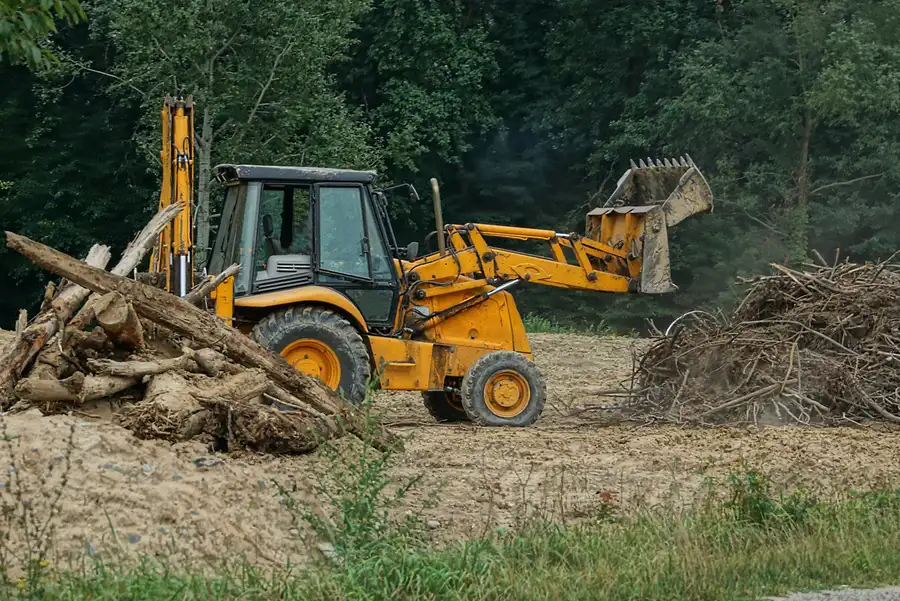
When large areas are cleared, animals are forced out of their habitats. Many species rely on specific types of vegetation for shelter and food. Without these resources, they struggle to survive. For instance, birds that nest in certain trees may find fewer places to lay their eggs. Similarly, mammals that depend on dense forests might face increased danger from predators.
Vegetation Loss and Its Consequences
land clearing removes a variety of plant life from an area. This not only affects the plants themselves but also disrupts the entire ecosystem. Plants play a crucial role in maintaining air quality by absorbing carbon dioxide and releasing oxygen. They also help regulate temperature and support soil stability. Losing vegetation can lead to increased erosion and diminished soil quality.
Soil Health and Erosion Concerns
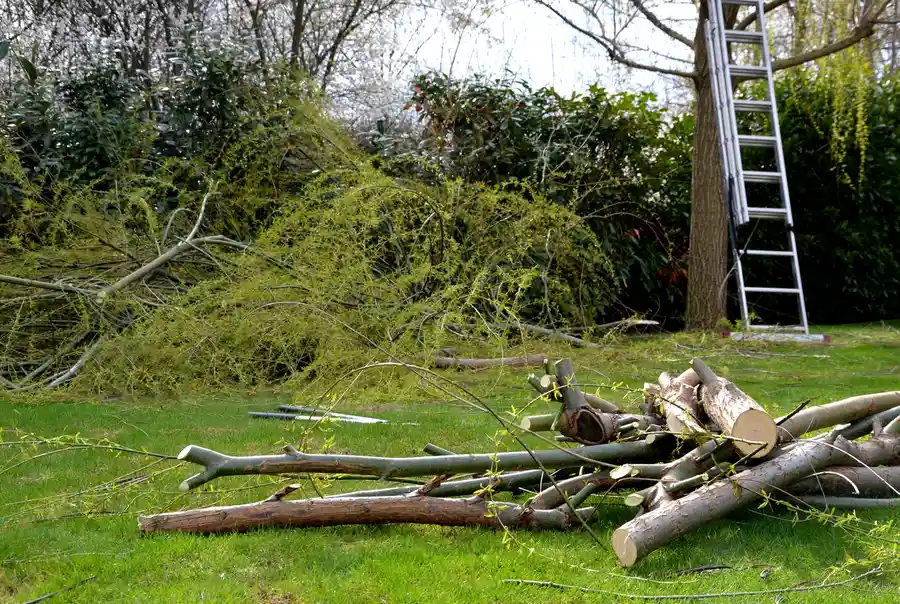
Without plants to anchor the soil, erosion becomes a significant concern. When topsoil is lost, it takes away nutrients essential for plant growth. This makes it hard for new plants to establish themselves, resulting in barren landscapes. Water bodies nearby may also suffer as eroded soil gets washed into rivers and lakes, affecting water quality.
The Role of Biodiversity
Biodiversity refers to the variety of life in an area. A healthy ecosystem typically supports a wide range of species. land clearing often reduces this diversity, which can have long-term effects. With fewer species, ecosystems become more vulnerable to diseases and pest outbreaks. Maintaining biodiversity is crucial for the resilience of natural systems.
Sustainable Practices to Mitigate Damage
To minimize the impact of land clearing, sustainable practices can be implemented. These include:
- Selective clearing: Removing only necessary vegetation while preserving key trees and plants.
- Replanting efforts: Introducing native species to restore damaged areas.
- Creating wildlife corridors: Establishing pathways that allow animals to move safely between habitats.
Environmental Regulations and Compliance
Many governments have established regulations to control land clearing activities. These laws aim to protect critical habitats and ensure sustainable development. Compliance with these regulations is essential for companies involved in construction or agriculture. By following these guidelines, we can reduce negative environmental impacts.
Weighing Costs and Benefits
While there are costs associated with sustainable practices, they often yield long-term benefits. Protecting ecosystems leads to healthier environments that support agriculture and tourism. Moreover, maintaining biodiversity can enhance pest control naturally, reducing the need for chemicals.
Partner With Experts for Sustainable Solutions
Choosing experts who prioritize environmental health is essential when planning land use projects. They provide insights into best practices and help navigate regulatory requirements. Our team at Tree Service in Cape Coral offers guidance tailored to your project’s needs. Based in Cape Coral, FL, we focus on sustainable solutions that benefit both you and the environment. Contact us at (239) 345-4563 to learn more about how we can assist in balancing development with ecological preservation.